
Every day, thousands of our colleagues are dedicated to producing high-quality steel. We manufacture steel from start to finish: from raw materials to finished steel products for a wide variety of applications. Each year, we ship approximately 5 million tons of steel to our customers.
Every step in the production process is carefully coordinated, with a focus on safety, quality, and sustainability. Discover how steel is made: from raw material to a finished product tailored to our customers’ needs.
How we make steel
Raw materials
Every day, ships dock carrying iron ore, coal, and recycled materials such as scrap. Using harbor cranes, grab buckets, and an impressive network of conveyor belts, the cargo is unloaded, sorted, stored in our raw materials yards, and prepared for production.

coking plant
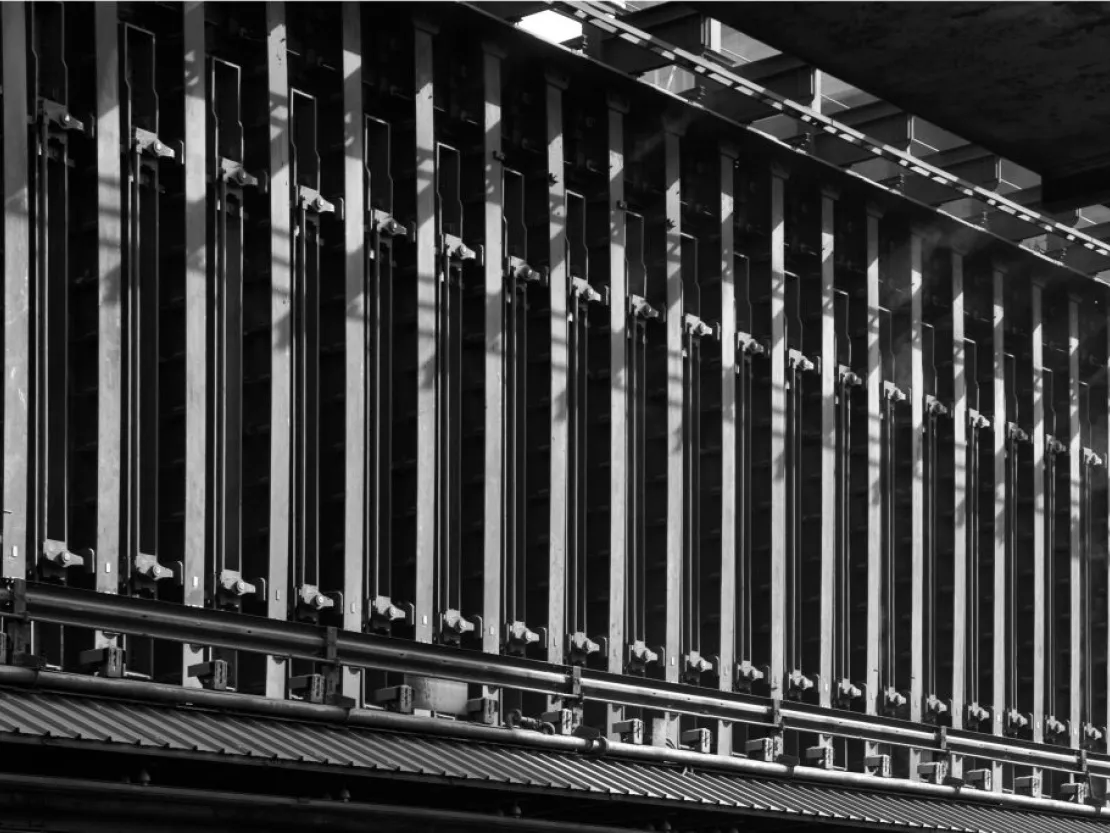
Coal cannot be used directly in the blast furnace; it must first be converted into coke. To do this, coal is heated to about 1,250°C in the coking plant in the absence of oxygen. This produces coke: a solid fuel that is essential for the blast furnace.
Santa's Workshop
The main raw material used to make steel is iron ore. However, iron ore cannot be used directly in the blast furnace. At the sintering plant, fine iron ore is mixed and baked into sinter lumps, which are ideal for melting in the blast furnace.

Blast furnace
Coke and sinter are loaded into the blast furnace in layers.
Iron ores contain oxygen, and this oxygen is removed through a reduction process in which hot air at 1,000 to 1,200°C is blown into the ore. The result: molten hot metal.

steel shop
In the steel shop , we hot metal steel. First, impurities are removed by blowing oxygen into the converter. We scrap recycled steel or scrap —15 to 20% of the raw materials—to produce more sustainable steel. After all, steel is infinitely recyclable.
To further improve the quality, we add additional alloying elements.
In the continuous casting plant, the molten steel from the ladle is solidified into strands that are eventually cut into thick slabs.

hot strip mill
The steel slabs are hot strip mill in the furnaces of the hot strip mill to a temperature between 1,000 and 1,270°C and then rolled in several stages into thin, strong sheets ranging from 1.25 to 13 mm in thickness. The sheets are then coiled into steel coils. Some of these steel coils directly to customers. The majority is further processed in our cold rolling mill.

Cold rolling mill
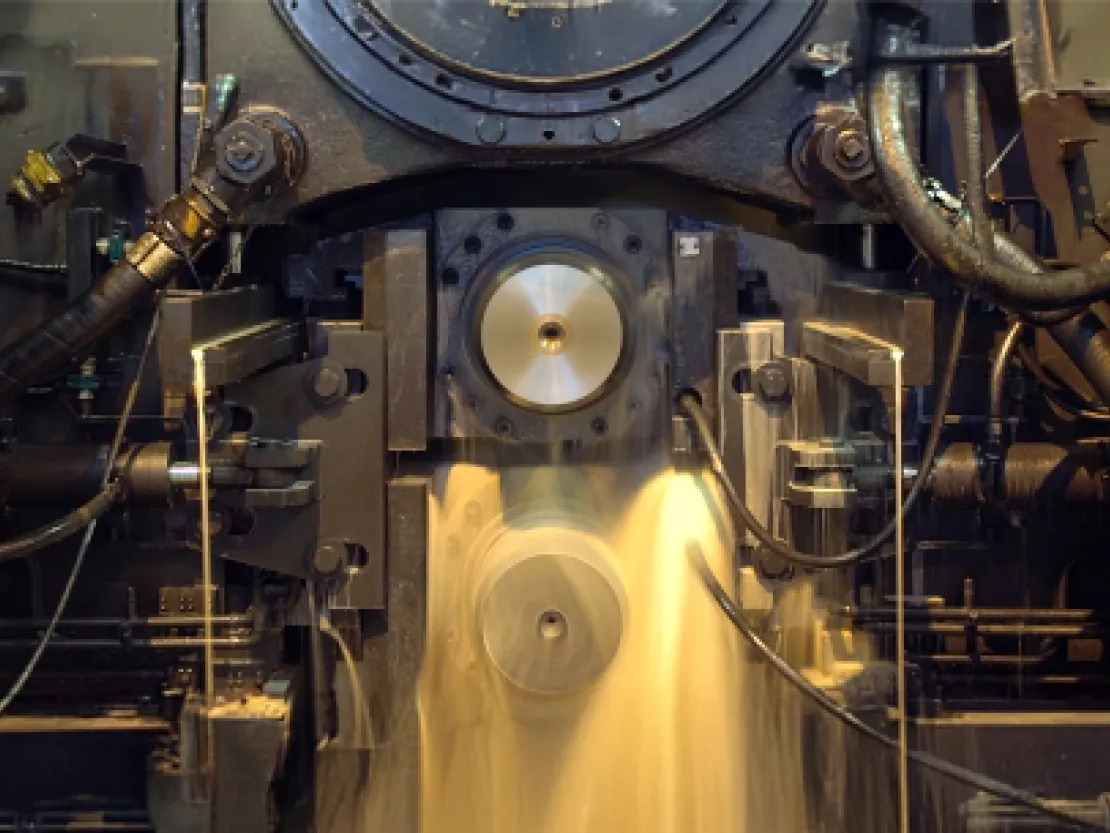
In the cold rolling mill, the steel sheets are first pickled to remove oxides. They are then rolled to a thickness of 0.15 to 3 mm. After heat treatment in the batch annealing furnace or continuous annealing line, the steel sheet is ready for further finishing.
Galvanizing lines
In Ghent, Liège, Genk, and Geel , the steel Geel coated with zinc to provide effective protection against rust.
We have several galvanizing lines, each with its own technology: from fine electrolytic galvanizing to robust hot-dip galvanizing, and groundbreaking technologies such as "Jet Vapor Deposition" for sustainable solutions. Also Galva 5, our line capable of handling wider and thicker sheets, is part of this offering. This allows us to consistently provide the most suitable solution for every application.

Organic clothing lines
After galvanizing, the steel can be coated with paint at our organic coating facilities in Ghent, Liège Geel. This makes the final product both more durable and visually appealing.

Shipping
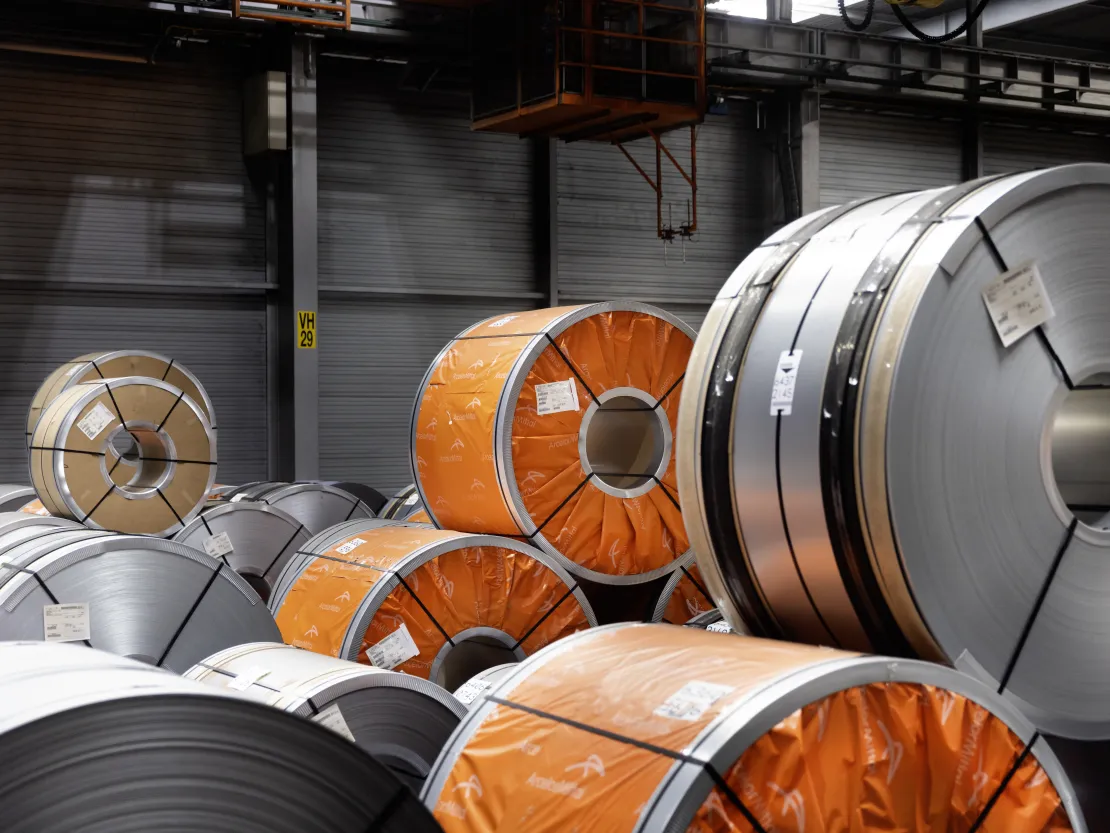
The finished steel coils carefully packaged and shipped by train, truck, or ship to customers both domestically and internationally.
Sustainable projects and smart innovations
Bullfighter
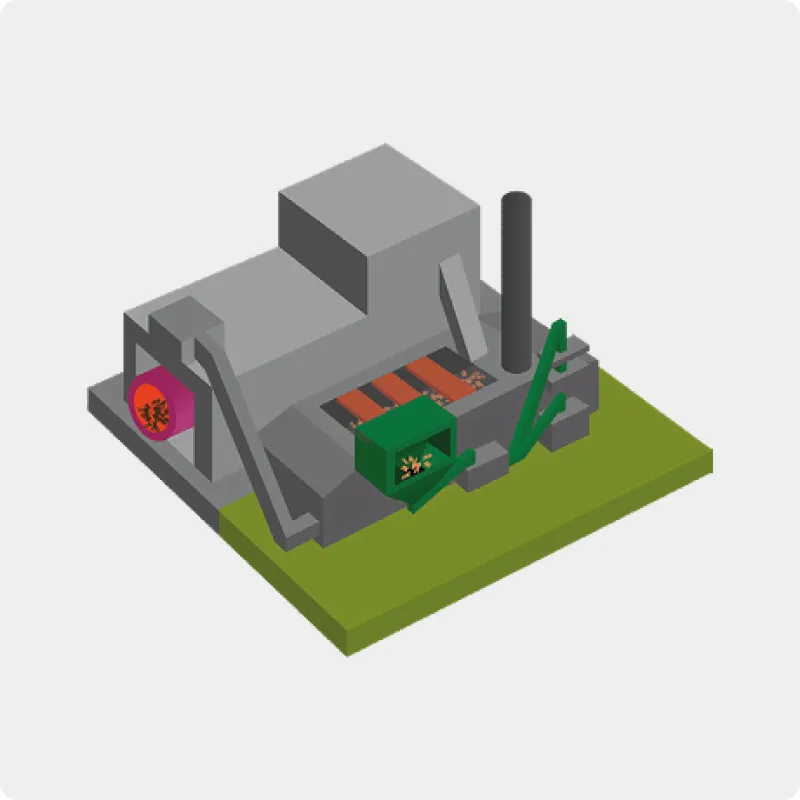
Thanks to Torero, we can replace some of the fossil coal with biochar made from waste wood. This biochar is used in the blast furnace, which results in lower CO₂emissions and less waste incineration. Torero is part of our action plan to achieve carbon neutrality by 2050.

Steelanol
At Steelanol, we convert the CO₂ from our blast furnace gases into ethanol through fermentation using microorganisms. This allows us to reuse carbon instead of emitting it. The ethanol is used for transportation fuels, packaging, textiles, and even cosmetics. Steelanol is part of our action plan to achieve carbon neutrality by 2050.


